Archery Targets: Bags, Blocks & 3D
Selecting the proper backstop to safely halt arrow velocity, preserve shafts, and match your practice goals.
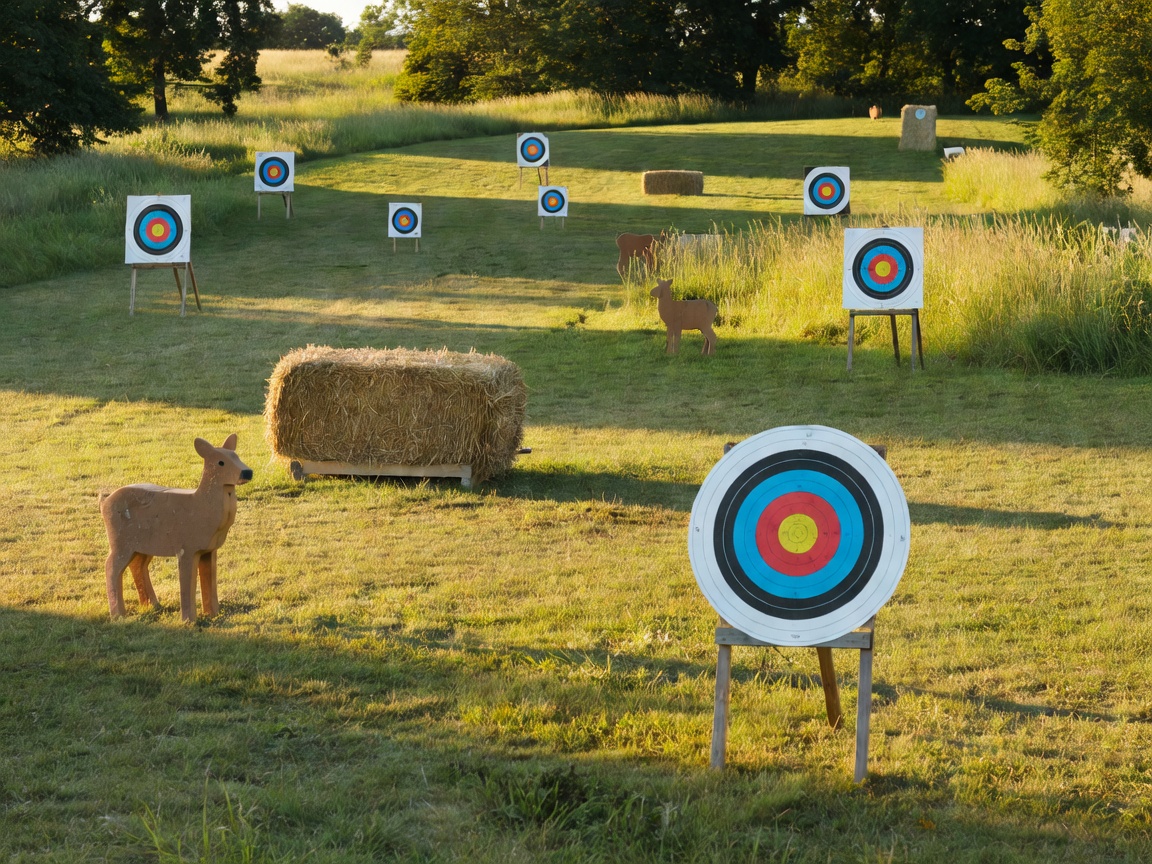
The Importance of Target Selection
An archery target is not merely something to aim at; it is a specialized piece of equipment designed to absorb kinetic energy without damaging the projectile. Using the wrong target for your bow's velocity or your arrow's point type can lead to pass-throughs, lost arrows, and destroyed equipment.
Modern archery targets generally fall into three categories: bag targets, foam block targets, and 3D molded targets. Each utilizes different stopping mechanics and serves a distinct purpose in an archer's practice regimen.
Bag Targets: High Volume Practice
Bag targets are the workhorses of backyard archery. They consist of a woven synthetic outer shell stuffed tightly with synthetic fibers, cotton, or scrap materials.
Stopping Mechanism: Bag targets stop arrows via displacement. The arrow point pushes the dense fibers aside, and the friction of the fibers clamping down on the arrow shaft rapidly dissipates the kinetic energy.
Pros:
- Incredibly easy arrow removal. Two-finger pull is standard.
- Exceptional durability for high-volume shooting.
- Cost-effective compared to large foam targets.
Cons:
- Field Points Only: Bag targets will be instantly destroyed by broadheads, which will slice the internal fibers and shred the outer casing upon removal.
- Heavy and cumbersome to move.
- Weather degradation if left outside without a cover.
Foam Block Targets: Broadhead Tuning
Foam block targets are constructed from layered or solid high-density polyethylene foams. They are engineered to handle the cutting action of fixed and mechanical broadheads.
Stopping Mechanism: Foam targets rely on friction and compression. Solid foam targets compress around the shaft, while layered foam targets pinch the shaft between horizontal or vertical layers.
Pros:
- The only safe choice for practicing with broadheads.
- Generally lighter and more portable than bag targets.
- Highly weather-resistant; foam does not rot or hold water like bag stuffing.
Cons:
- Arrow removal can be very difficult, especially with high-velocity compound bows shooting field points. An arrow puller (rubber grip) is often required.
- Shorter lifespan. Broadheads physically remove slivers of foam with every shot, eventually creating "pass-through" zones.
3D Targets: Realism and Scenario Training
3D targets are molded from self-healing foam into the shapes of various animals—ranging from deer and bear to exotic game or even fantasy creatures. They feature molded scoring rings (vital zones) rather than traditional bullseyes.
Pros:
- Provides realistic target panic mitigation by removing the high-contrast bullseye.
- Teaches proper shot placement on three-dimensional anatomy at unknown distances.
- Essential for preparing for 3D archery tournaments or hunting scenarios.
Cons:
- High cost per target.
- The insert (the replaceable core containing the vital rings) must be replaced periodically as it gets shot out.
- Like standard foam blocks, broadheads will severely degrade 3D targets, though they are usually rated to stop them.
Target Maintenance and Placement
Regardless of the type selected, target placement dictates safety. Always ensure a clear line of sight and an absolute backstop—such as a hill, a thick dirt berm, or a dedicated archery netting system—behind the primary target.
To maximize the lifespan of any target, distribute your shots. Repeatedly shooting the dead center will quickly core out the material. Utilize the multiple bullseyes printed on the target face, and rotate the target regularly to expose fresh material to arrow impact.